
According to an analysis by Vincent Duluc for L'Équipe, the final four of the 2026 World Cup features the global favorite, the reigning European champion, the defending World Cup holder, and the inventors of the game who are extending a sixty-year quest. France, Spain, England, and Argentina represent a semifinal lineup that is as magnificent as it was predictable, perfectly matching the preferences and forecasts established before the tournament began.
// RELATED STORIES

Enjoying this article?
Get even more captivating stories by subscribing to our newsletter. It's free!
Subscribe Sekarang →The absence of a major surprise at this stage highlights how FIFA's seeding system, based heavily on world rankings, successfully kept these footballing giants apart early on. Based on the current tournament structure, expanding the World Cup to 48 teams did not alter the ultimate field of favorites. After a month of high-stakes competition and 100 matches spread across three host nations, the tournament has ultimately returned to the exact starting point anticipated on June 11.
While the new distribution of participants was partially rooted in sporting logic, it also exposed the limitations of political strategies masked as global development. Our editorial monitoring notes that FIFA President Gianni Infantino has already hinted that expanding the tournament further to 64 teams will be "debated" in the future. In the current political climate of football governance, such announcements often imply that decisions are top-down rather than democratic.
Despite the expanded global representation, the 23rd edition of the World Cup has firmly reasserted the absolute dominance of European football. European nations secured six out of eight quarter-final spots and three out of four semifinal slots, translating to 75% of the top eight teams coming from a continent that held just 33% of the total tournament berths.
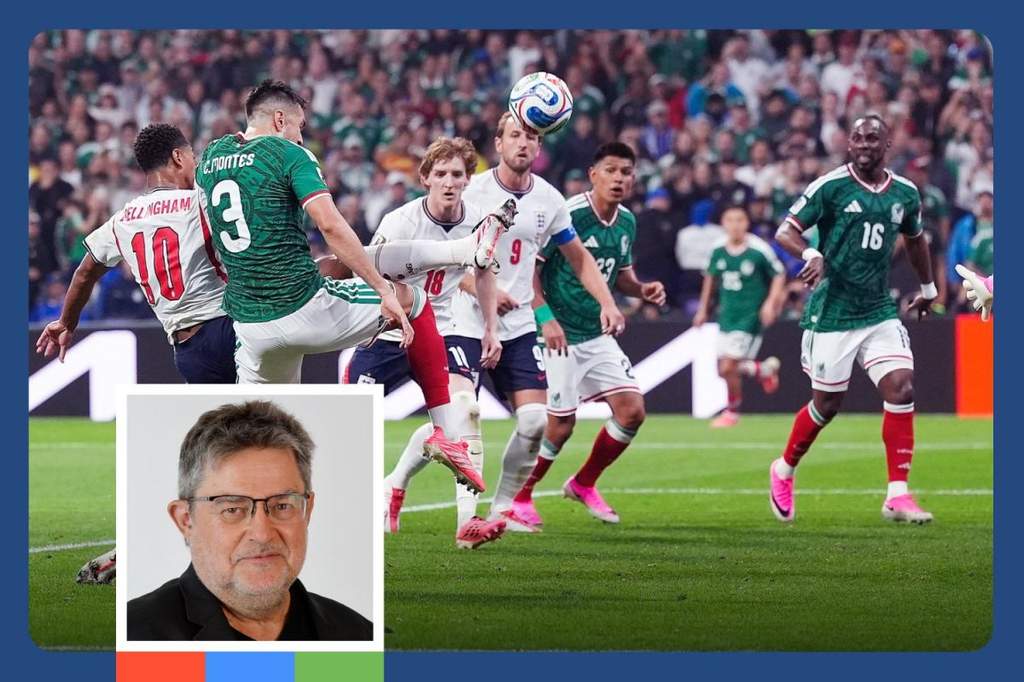
While the atmosphere across host cities has been joyous and spectacular—ensuring places like Boston will long remember the traveling supporters—the tournament has faced criticism for being an overpriced privilege. Observers note that the event still lacks truly mythical matches, though the thrilling round-of-16 clash between Mexico and England, which ended 2-3, remains the standout game of the competition so far.
A defining trend of this World Cup has been the heavy impact of elite attackers, defying the old narrative that a grueling club season leaves superstars exhausted by July. While Lionel Messi, Harry Kane, and Erling Haaland did not find the net in the quarter-finals, their overall statistics have dominated the tournament. Meanwhile, refereeing standards started positively but were ultimately marred by the controversial Folarin Balogun affair, referee Ilgiz Tantashev, and ongoing VAR disputes. As the semifinals approach, history looms large for Les Bleus, as France has not defeated Spain in a major tournament since 2006.